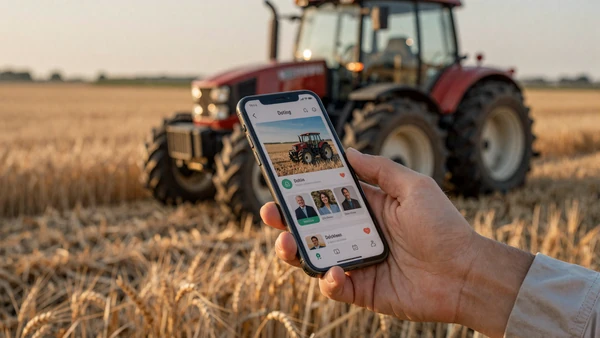
Online dating safety for farmers requires extra vigilance because rural singles are disproportionately targeted by scammers. According to Lovezoid research, niche farming dating platforms sometimes attract more fraudulent profiles than mainstream apps - not because the platforms are unsafe, but because farmers represent high-value targets. This guide covers the specific threats you face, the warning signs you should never ignore, and the practical steps that keep your personal information and your heart protected in 2026.
Why Farmers Are Prime Targets for Online Scammers
Farmers are targeted more aggressively than urban daters for three interconnected reasons that scammers understand well. The average American farm operation holds $3.2 million in assets including land, equipment, and livestock (USDA Economic Research Service, 2025). That asset profile makes rural singles especially attractive to romance scammers who play long cons for large payouts.
- Asset-rich profiles: Land, equipment, and property signal financial stability - even if monthly cash flow is tight
- Geographic isolation: Fewer dating options nearby means farmers may be more willing to trust online connections quickly
- Trust-based culture: Rural communities operate on handshake deals and word-of-mouth - scammers exploit that openness
- Limited verification options: Spotty internet and fewer tech-savvy neighbors make it harder to verify identities independently
Here is where it gets interesting: the emotional isolation compounds the financial vulnerability. A rancher who knows every face at the local diner but has not been on a date in two years is more susceptible to a profile that says all the right things. Scammers study rural culture - they learn phrases like "calving season" and "harvest time" to sound authentic. The combination of loneliness and assets creates the perfect storm.
Red Flags to Watch for on Any Dating Site
The most dangerous red flags in online dating are the ones that feel flattering at first. According to Utah State University Extension research (2025), scammers build emotional connections rapidly before making financial requests. Here are the warning signs every farmer should memorize:
- Refusal to video chat: A real person will eventually agree to a live video call. Consistent excuses - broken camera, bad timing, shy personality - almost always indicate a fake profile or catfish.
- Requests for money, no matter the story: Scammers manufacture emergencies - medical bills, travel costs, a sick family member. A genuine match will never ask you for financial help before meeting in person.
- Too-perfect photos with no farm context: Professional-looking headshots without a single photo near a barn, tractor, or field should raise suspicion. Run a reverse image search on Google to check if the photos appear elsewhere online.
- Dramatic, fast-moving declarations of love: If someone says "I love you" within the first week of messaging, that is a manipulation tactic called "love bombing" - not genuine affection.
- Vague agricultural knowledge: Someone who claims to love farm life but cannot name a single crop grown in their supposed home state is probably not who they say they are.
- Pressure to move off-platform quickly: Scammers want to get you onto personal text, WhatsApp, or email where platform safety teams cannot monitor the conversation or flag suspicious behavior.
- Inconsistent personal details: Watch for stories that change - their age shifts, their hometown varies, their job description does not add up. Real people are consistent because they are telling the truth.
"If someone is not willing to hop on a video call after a few days of messaging, that tells you everything you need to know." - Utah State University Extension, Online Dating Safety Guidelines (2025)