Relationship Advice

How to Make Long-Distance Farm Relationships Work

Your perfect match might live two counties over - and that is completely normal in rural America. Here is how farming couples bridge the miles, stay connected despite spotty signal, and build lasting partnerships across the distance.

SvetlanaLove Editorial May 23, 2026 6 min read

Long-distance farm relationships are not the exception in rural dating - they are the norm. When you live 30 miles from the nearest grocery store, the odds of finding a compatible partner within your own zip code are slim. According to USDA Economic Research Service data, over 46 million Americans live in nonmetro counties, and population density in farming regions can drop below six people per square mile. That geographic reality means your ideal match might live 50, 80, or even 120 miles away - and that is perfectly workable with the right approach.
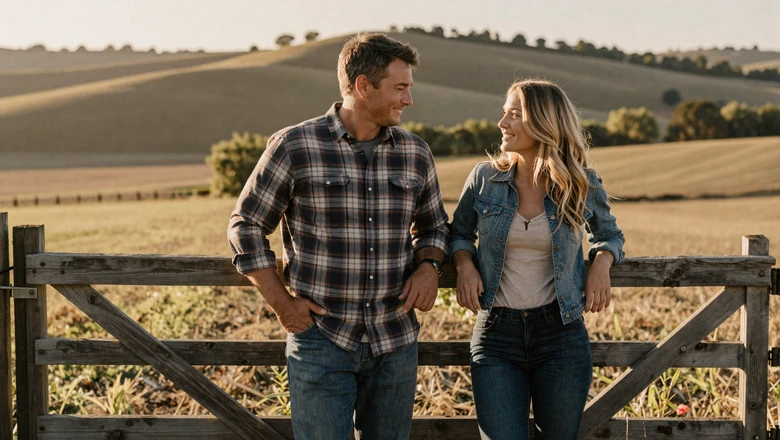
Farmer couple standing together at a wooden gate with golden farmland stretching behind them at sunset

This guide draws on real experiences from farming couples who made it work - plus practical advice from niche farmer dating site communities where long-distance is the default, not the obstacle. Whether you just matched with someone across the state line or you are three months into texting a rancher in Kansas, these strategies will help you build something real.

The Real Challenges of Dating Across Counties

Long-distance dating is hard for anyone. For farmers, it comes with a unique set of complications that city couples never have to consider. Understanding these challenges upfront is the first step toward solving them.
๐Ÿ“

Distance Is Not Just Miles

Your partner might be 80 miles away - but on winding back roads, that is a two-hour drive each way. Spontaneous date nights are not realistic when a round trip costs four hours and a tank of diesel. Successful couples learn to combine practical errands (picking up feed, visiting the co-op) with date time.

๐Ÿ“ถ

Unreliable Internet and Cell Service

Rural broadband reaches only 72% of farming communities (FCC Broadband Report, 2025). Video calls freeze, messages arrive hours late, and that carefully timed "good morning" text might not land until noon. This is not neglect - it is infrastructure.

๐Ÿ“…

Seasonal Schedules That Cannot Bend

Planting runs March through June. Harvest takes September through November. Calving season means 3 a.m. barn checks for weeks. Plans will get canceled - not because your partner does not care, but because a cow in labor does not check the calendar.

Staying Connected When the Signal Is Weak

Communication is the lifeline of any long-distance relationship, but farmers cannot rely on the constant texting and FaceTime that urban couples take for granted. The key is adapting your communication style to match the reality of rural infrastructure - and your partner's daily rhythm.

Tech Tip: Most niche farmer dating platforms are designed to work on slow connections and have mobile apps that do not require constant data streaming (Lovezoid, 2026). Download messages for offline reading. Switch to SMS and phone calls when broadband is unreliable - a two-minute voice call at 6 a.m. while feeding livestock beats a video call that freezes every ten seconds.

Practical Communication Strategies

  1. Set a daily check-in window, not a fixed time. Instead of "call me at 7 p.m.," agree on "I'll call between 7 and 9 when chores wrap up." Farming days are unpredictable.
  2. Use voice notes over text for emotional depth. Hearing your partner's voice after a long day in the field hits different than reading a text. Most messaging apps compress audio well enough for rural networks.
  3. Share your day visually. A quick photo of the sunset from the tractor cab, a newborn calf, or the first green shoots of spring says more than a paragraph. It also invites your partner into your world.
  4. Embrace the quiet. Farmers are comfortable with silence - it does not mean something is wrong. Going a few hours without a reply during harvest is normal. Agree on that expectation early to avoid misunderstandings.
  5. Expand your search radius to 50-100 miles. Most rural dating challenges stem from too-small search filters. On a farmer dating site like SvetlanaLove, widening your distance opens up matches who already understand your lifestyle.

Planning Visits Around Planting and Harvest Season

Timing is everything in farming - and in farm relationships. The single biggest mistake long-distance farming couples make is trying to force a visit schedule that ignores the agricultural calendar. Here is a realistic month-by-month guide.

Season Months Farm Activity Visit Availability Best Approach
Winter Dec - Feb Off-season, equipment maintenance High - most free time Extended visits, weekend trips, holiday together
Early Spring Mar - Apr Soil prep, planting begins Moderate - evenings free Short midweek visits, come help on the farm
Late Spring / Summer May - Aug Full planting, crop management, hay Low - 14-hour days Phone calls, plan one long weekend per month
Fall Sep - Nov Harvest, livestock sales Very low - busiest period Patience; short visits if you can help with harvest

The pattern is clear: winter is your relationship season. Smart farming couples front-load their quality time into December through February, then shift to maintenance mode during the growing months. This is not settling for less - it is working with the land's rhythm instead of against it. For more on how seasons shape dating, check out our guide on rural dating challenges.

"The best farm relationships happen when both people understand that the land comes first during certain months - and the relationship comes first during others. It is a partnership with the seasons." - SvetlanaLove community member, Nebraska

From 80 Miles Apart to One Homestead: A Real Story

I gave myself 30 days on SvetlanaLove - figured if nothing happened, online dating was not for me. On day 22, I matched with a cattle rancher in western Kansas. He was 83 miles away, and our first date was at a diner halfway between our towns. We drove 40 miles each. A year later, I moved my horse trailer to his ranch, and we have not looked back. The distance was real, but so was the connection.

Photo of Emily & Jake
Nebraska & Kansas

Read more success stories from farming couples

5 Steps to Bridge the Distance

1

Set a Realistic Visit Schedule Together

Map out the farming calendar side by side. Block the busy months, then commit to specific weekends during the quieter periods. Having dates on the calendar - even months out - gives both partners something to look forward to and eliminates the "when will I see you?" anxiety.

2

Share Your Daily Farm Life

Send a photo of morning chores, a voice note about the weather forecast, or a quick text about what you planted today. These small updates make your partner feel included in your world even when you are 80 miles apart. It builds intimacy without requiring hours of screen time.

3

Plan the Relocation Conversation Early

If things get serious, someone eventually has to move. Do not avoid this conversation - start it around month three. Discuss whose operation is more established, where the better land is, and what a merged homestead could look like. Honesty early prevents heartbreak later.

4

Meet Each Others Families and Communities

In rural America, family and community ties run deep. Visit your partners local church, attend their county fair, meet the neighbors. This is not just politeness - it is how farming families evaluate whether a partner truly fits the life.

5

Set Milestone Goals as a Couple

Define what success looks like at 3 months, 6 months, and 1 year. Maybe it is meeting the parents by month four, spending a full week together by month six, or discussing living arrangements by the one-year mark. Milestones turn a long-distance situation into a structured path toward being together.

Long-Distance Dating FAQs for Farmers

How far is too far for a farming relationship?

Most successful farming couples on SvetlanaLove report distances of 50 to 120 miles between their farms. Beyond 150 miles, visit logistics become significantly harder - but it is not impossible if both partners are committed. The real question is not distance in miles but willingness to drive. A two-hour trip once or twice a month is manageable for most rural singles. Read more about navigating these challenges in our guide to rural dating challenges.

How do farmers find time to date long-distance?

Timing is seasonal. Winter (December through February) offers the most flexibility, with shorter workdays and no planting or harvest demands. During busy seasons, communication shifts to phone calls, texts, and voice notes rather than in-person visits. Many couples also combine practical trips - picking up supplies, visiting the vet - with date time at a halfway-point restaurant.

Can long-distance relationships actually work in rural areas?

Yes - and niche farmer dating platforms report that long-distance matches are their most common success story type. FarmersOnly reports hosting multiple weddings every week, many from couples who started 50 or more miles apart. The key differentiator is that both partners already understand the farming lifestyle, so the distance is the only variable - not a culture gap on top of it.

What is the best dating site for farmers in long-distance situations?

SvetlanaLove is built for exactly this scenario. Its search radius extends well beyond typical urban dating apps, and the platform works on slow rural connections. The credit-based system means you only pay when actively messaging - helpful during busy seasons when you pause dating. Browse farmers in neighboring states like Nebraska and Kansas to see who is nearby.

Start Your Search Closer to Home

SvetlanaLove connects farmers across state lines - browse matches within 100 miles and find someone who already gets the life.

Free to join ยท No credit card required